



Before Implementation
There is TATVA™
A paid GAP and FIT analysis run before any implementation commitment. Processes mapped against system capability, gaps documented, scope defined with evidence.




Solar and Renewable Energy
Solar software built by people who have worked inside solar businesses. ERP, CRM, mobile applications and monitoring platforms for module and inverter manufacturers, EPC contractors, design engineering firms and O&M companies across India and international markets.

Why Us
Solar software fails when the people building it have never worked inside a solar business.
Renewable energy specialists sit inside the delivery team. BOQ, net metering, flash test, PPA and subsidy structures need no explanation.
Delivered across module manufacturing, inverter and battery manufacturing, EPC execution, design engineering and O&M.
India, Europe and international markets, covering different compliance regimes, subsidy models and tariff structures.
ERP consultants, web engineers and mobile developers under one delivery plan. No integration handoff between vendors.
Process design, configuration, development, migration, integration and training. Change management sits inside the engagement.
Named clients, published case studies and recorded video testimonials from founders and operations heads.
The Case
Solar is scaling faster than the software serving it.
Order volumes, site counts and product lines multiply every year. Tools that worked at ten projects break at a hundred.
Other sectors have decades of purpose-built platforms. Solar has generic ERP on one side and installer point tools on the other.
A module line, an EPC contractor and an O&M company share almost no operational logic. Off-the-shelf forces all three into one workflow.
Cost overruns, warranty returns, material leakage at site and unbilled scope are invisible without unit and site-level tracking.
Panel prices, inverter brands and installation methods converge across competitors. Operational control and data visibility do not.
Serial history, generation data and service records compound in value. Capturing it now builds intelligence competitors cannot buy.
Built Around Your Process
Process mapped first, then built to fit. Manufacturing, EPC execution, design engineering and service run on different logic, and the system reflects that.
Start with an ERP consultation, or review the pricing guide first.
Process mapping first Serial-level traceability Site-level costing One data source

Business Models
Production planning by wattage variant, BOM for cells, glass, EVA, backsheet and frame, flash test and EL gates, serial-linked warranty registers.
Assembly planning, traceability across PCB, cells and enclosures, firmware version mapping, RMA and warranty lifecycle, dealer stock visibility.
Multi-site execution, material at site visible from head office, cost per project and phase, milestone billing, subcontractors, commissioning records.
Design workload allocation, revision control on layouts and single line diagrams, deliverable tracking, billing by design stage completion.
Preventive maintenance schedules per site, AMC contract billing, ticket routing to field technicians, spare consumption, performance per plant.
Dealer and stockist stock, serial-linked returns, channel scheme management, secondary sales visibility.
What We Build
ERP as the backbone, with the applications and tools that surround it.
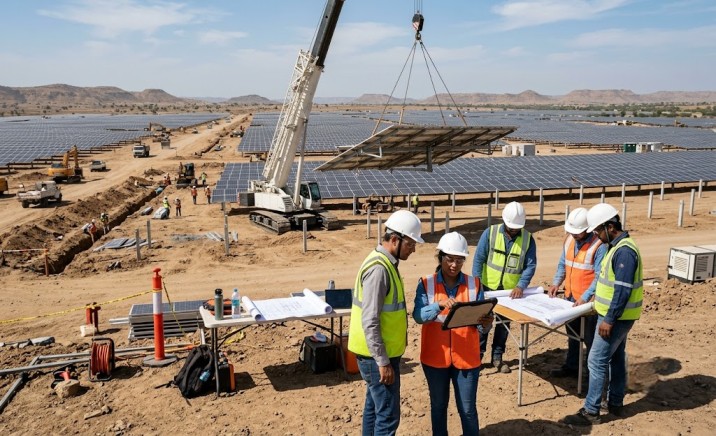
Project-driven execution across active sites with material tracking, phase-level costing, subcontractor management and milestone billing.
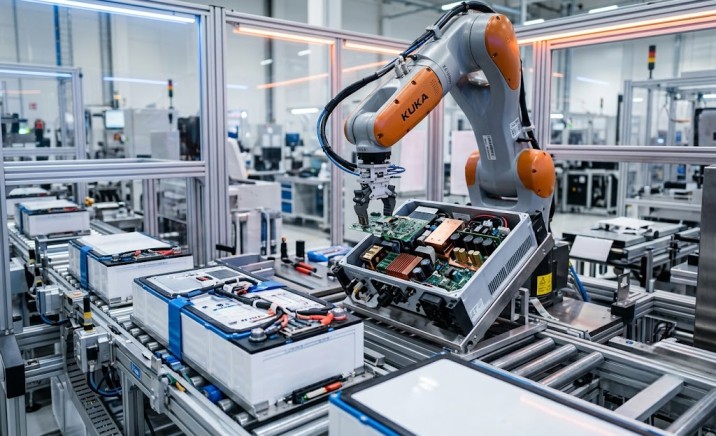
Assembly planning, component traceability, serial and firmware mapping, quality checkpoints, dispatch, warranty certificates and RMA lifecycle.
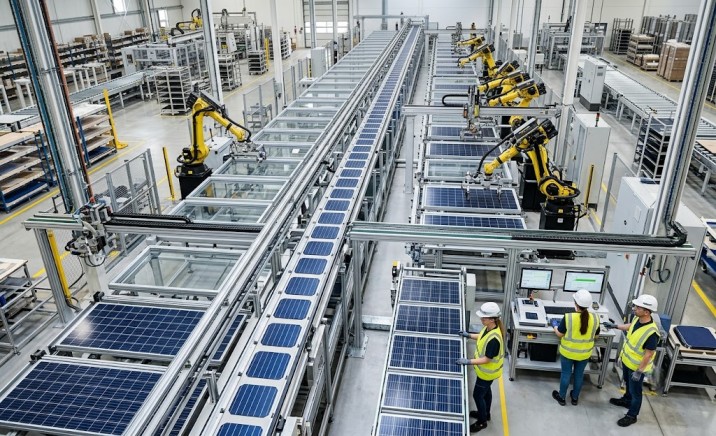
Wattage-variant production planning, raw material consumption against BOM, quality gates, batch traceability, warranty registers by module serial.
Purchase orders against project milestones, landed cost on imported components, vendor performance, stock across warehouse and site locations.
Site-level profit and loss, milestone revenue recognition, GST and e-invoicing, retention and phase-wise receivables.
Enquiry capture, site survey scheduling, survey data, system sizing, subsidy applicability, financing options and proposal approval as connected stages.
Proposals built from the sales record with system configuration, component selection, generation estimate, savings projection and commercial terms.
Sizing, generation estimate, ROI and payback, subsidy and tariff calculators. On your website for lead capture or inside the sales tool.
Lead allocation, order status, scheme visibility, claim submission and stock position for partner networks.
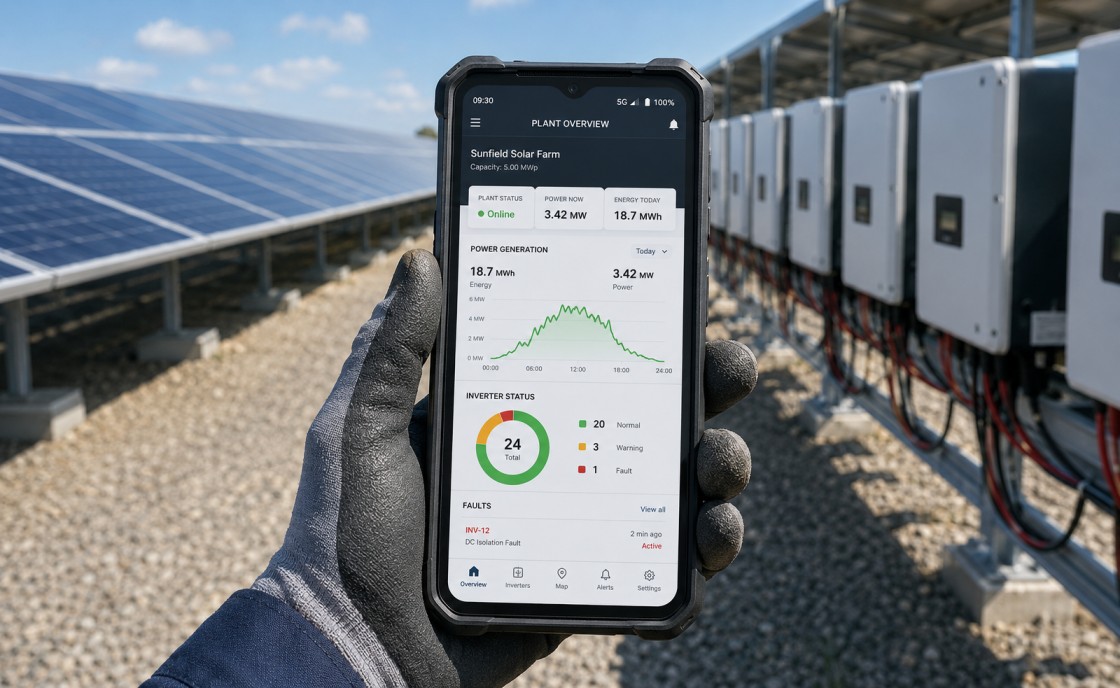
Generation and fault data from commissioned assets in one view, mapped to site, equipment serial and active service contract.
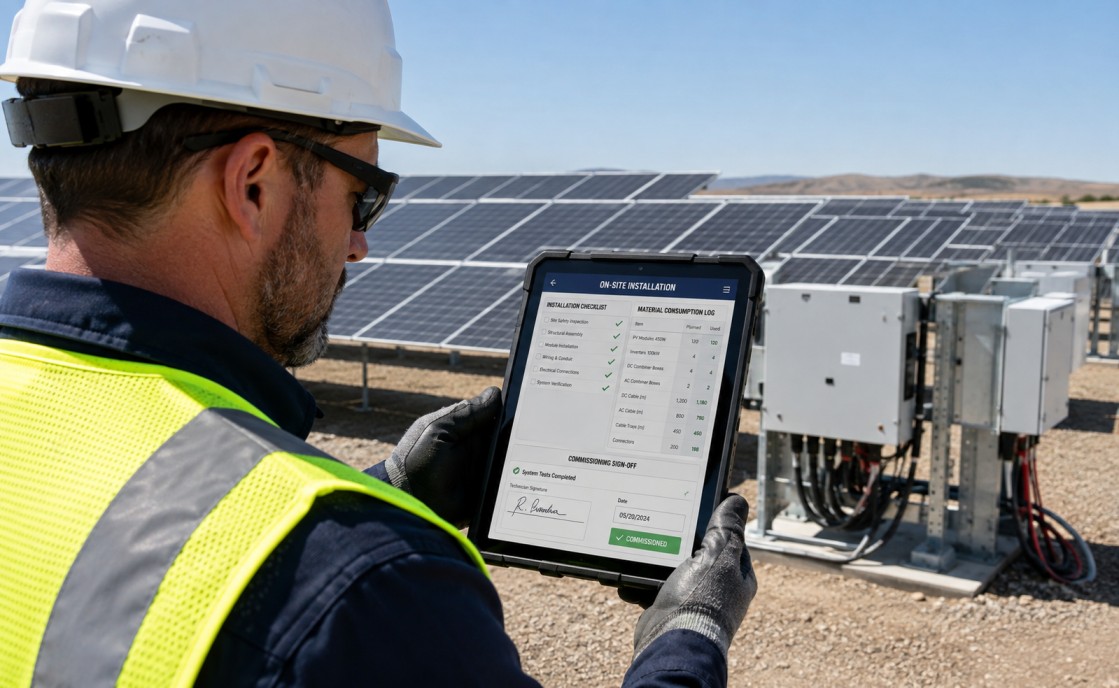
Site attendance, installation checklists, photo evidence, material consumed at site and commissioning sign-off captured on mobile.
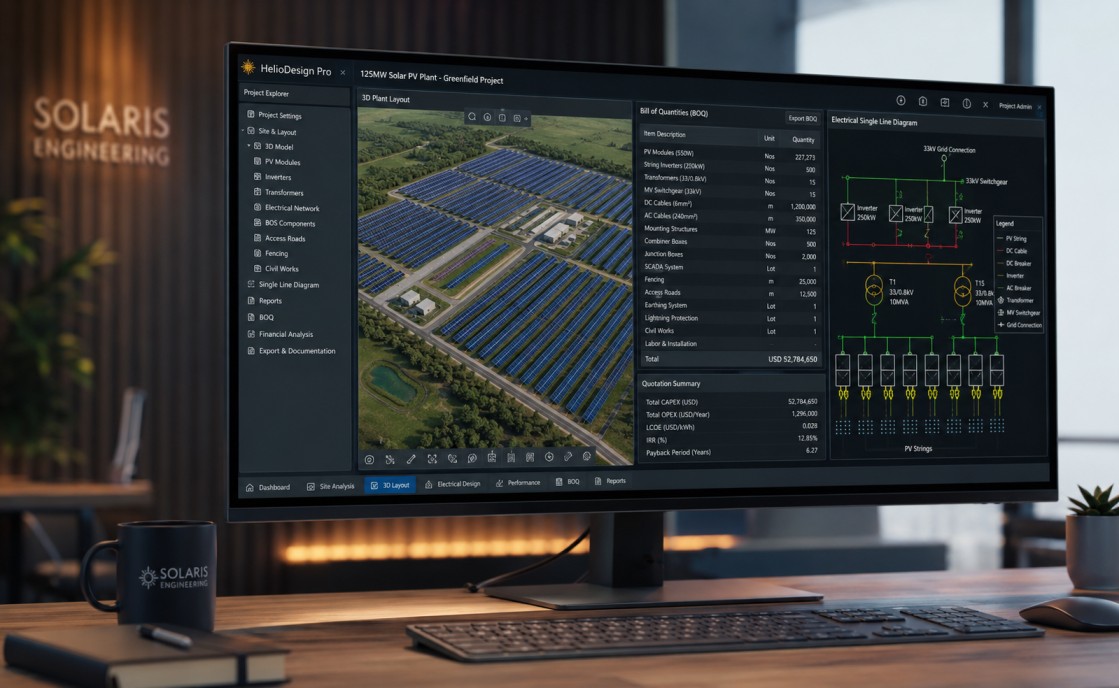
Layout and design output workflows connected to the sales record so design, BOQ and quotation reference the same configuration.
Generation tracking, service requests, warranty status and documentation for the end consumer, linked to the ERP by serial number.
Built standalone with their own backend, or built to read and write directly to the ERP through API.
Field and Asset Visibility
Site attendance, checklists, photo evidence and commissioning sign-off post straight into the project record. Inverter alerts become service tickets, not emails.
Built by the same team that handles ERP integration and customization.
Standalone or ERP-connected iOS, Android and web API integration Serial-linked service history

Method
01
Every tool in use is mapped. Spreadsheets, design software, accounting packages and messaging groups examined for what they hold and hide.
02
Manual re-entry between stages is removed. Survey to sizing, proposal to order, order to procurement, site consumption to costing become connected steps.
03
Project profitability, cost variance by site, inventory ageing, conversion by segment and service performance become reports management reads.
Before Implementation
A paid GAP and FIT analysis run before any implementation commitment. Processes mapped against system capability, gaps documented, scope defined with evidence.
Proof
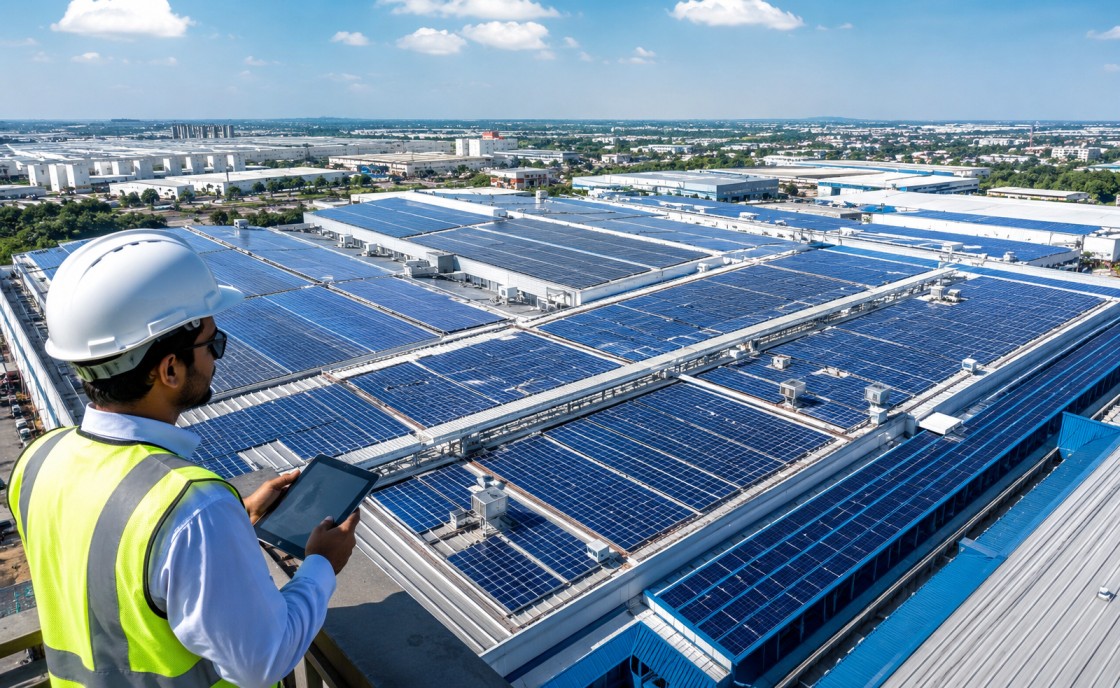
A rooftop and industrial EPC company running in-house execution, channel partners and trading moved onto one system covering sales, design, execution and accounts.

An inverter manufacturer operating across seven cities connected procurement, order fulfilment, warranty and O&M in one system.

A renewable energy startup set up ERP foundations for finance, inventory and integration ahead of scale.
Client Voices
Founders and operations heads on what changed after go-live.
Solar EPC group on unifying sales, design, execution and accounts across multiple business divisions.
Greentech startup on setting up ERP foundations before scaling operations.
More Stories
What it looked like before, what was built, what changed after go-live.
Resources
The processes solar ERP has to carry before features matter.
Cost visibility per site, procurement timing, billing cycles.
Planning against confirmed projects, landed cost on imports, stock across sites.
FAQ
A solar company typically needs an ERP for projects, inventory, procurement and accounting, a CRM built for the solar pre-sales cycle, engineering tools for sizing and proposal generation, and mobile or monitoring applications for site and asset visibility. The value comes from these sharing one data source rather than existing as separate tools.
The right ERP depends on the business model. Module and inverter manufacturers need serialized production and warranty tracking. EPC contractors need multi-site project costing. O&M companies need contract and field service management. A single product rarely covers all three well.
Yes. Module manufacturing runs on wattage-variant production planning, BOM for cells, glass, EVA, backsheet and frame, quality gates at flash test and EL inspection, and serial-level traceability for warranty registers.
Yes. Inverter and battery assembly needs component traceability across PCB, cells and enclosures, firmware version mapping against serial numbers, dispatch records and an RMA process linked to the original unit.
A general CRM tracks contacts, deals and stages. A solar CRM holds site survey data, roof or land assessment, system sizing, component selection, subsidy applicability, financing options and a technical proposal, then converts all of it to an order without re-entry.
Yes, where the inverter manufacturer provides API access or data export. Generation and fault data is mapped to the site, equipment serial number and active service contract, so alerts create service tickets automatically.
Both. Standalone applications with their own backend, and applications that read and write to the ERP through API. The decision depends on who uses the app and whether that data belongs in the system of record.
Yes. The system configuration produced during design becomes the basis for the BOQ, the proposal and the material requirement. Existing design platforms are integrated where already in use.
Yes. Design engineering firms need workload distribution across engineers, revision control on drawings, deliverable tracking against client milestones and billing tied to design stage completion.
Timelines are scoped per project based on business model, number of sites or product lines, integration scope and data migration volume. Scope is defined during the GAP and FIT analysis before commitment.
Next Step
Bring one business process. We will map how it runs today before recommending anything.
Talk to our Odoo experts and discover how we can transform your business.